Introduction
Choking is a leading reason for injury and death amongst kids, making it a crucial concern for child care service providers. Understanding choking avoidance methods can save lives. In this article, we will check out necessary techniques that every child care carrier ought to know, including the value of first aid training like HLTAID012 certification in Australia, efficient event reporting methods, and practical methods for handling small injuries. We will certainly additionally cover aspects of youngster defibrillation guidance, recognizing bronchial asthma signs and symptoms, and ensuring appropriate hand health-- all important elements of childcare safety.
Choking Avoidance: Secret Strategies Every Child Care Supplier Ought To Know
Choking is an emergency that needs immediate attention. Understanding just how to act swiftly can be the difference between life and fatality. Child care companies are commonly on the frontline when it concerns kids's security, so understanding choking avoidance techniques is imperative.


Understanding Choking Threats in Children
What are Common Choking Hazards?
Children are normally interested and have a tendency to explore their atmosphere CPR Courses Sydney by placing things in their mouths. Typical choking hazards include:
- Food Items: Grapes, nuts, snacks, hot dogs, and hard candies. Small Objects: Coins, switches, small playthings, or any product that can fit with a bathroom tissue roll. Household Items: Balloons and plastic bags.
Why are Kid Prone to Choking?
Young kids have actually smaller sized respiratory tracts compared to grownups. Their all-natural disposition to check out with their mouths boosts the danger of breathing in international things or food. Age-specific actions-- such as running while eating-- likewise add to this danger.
Key Approaches for Choking Prevention
Educating Staff on First Aid Training
Training team in emergency treatment is important for every child care carrier. Programs such as HLTAID012 Offer First Aid in Education not just cover choking yet also various other emergencies like allergies calling for Epipen administration
The Value of Routine Training
To keep high requirements in childcare safety and security:
- Schedule normal training sessions. Update expertise on new guidelines. Encourage hands-on practice via simulations.
Proper Hand Hygiene Practices
Why is Hand Hygiene Important?
Proper hand hygiene lowers the risk of infections that could make complex emergency situations like choking occurrences.
Best Practices for Hand Hygiene
Wash hands with soap and water prior to meals and after using the restroom. Use alcohol-based hand sanitizers when soap isn't available.Incident Coverage Protocols
What Must Be Consisted of in an Occurrence Report?
Every occurrence including choking should be recorded meticulously:
- Date and time of the incident Description of what happened Actions taken Follow-up measures
Why Incident News Matter
Incident reports help determine patterns or repeating problems within a childcare setting and promote responsibility amongst team members.
Immediate Feedback Responsibilities
What Should You Do If a Child is Choking?
Assess the youngster's ability to breathe. Administer back blows if they can not cough or cry. Call emergency services if necessary.Knowing these steps can empower teachers during crises.
Child Defibrillation Guidance
When Is Defibrillation Necessary?
In cases where a kid comes to be unresponsive because of choking-related heart attack:
Call for aid immediately. Begin mouth-to-mouth resuscitation without delay. Use an AED (Automated External Defibrillator) if available.
Recognizing Bronchial asthma Symptoms
How Can Asthma Make complex Choking?
Children with asthma might exhibit signs like wheezing or coughing that can simulate choking episodes.
Importance of Recognizing Symptoms
Being able to distinguish between bronchial asthma attacks and choking assists caretakers offer ideal therapy promptly.
Managing Minor Wounds After an Incident
Steps for Taking care of Wounds
Even minor injuries should be treated right away to prevent infection:
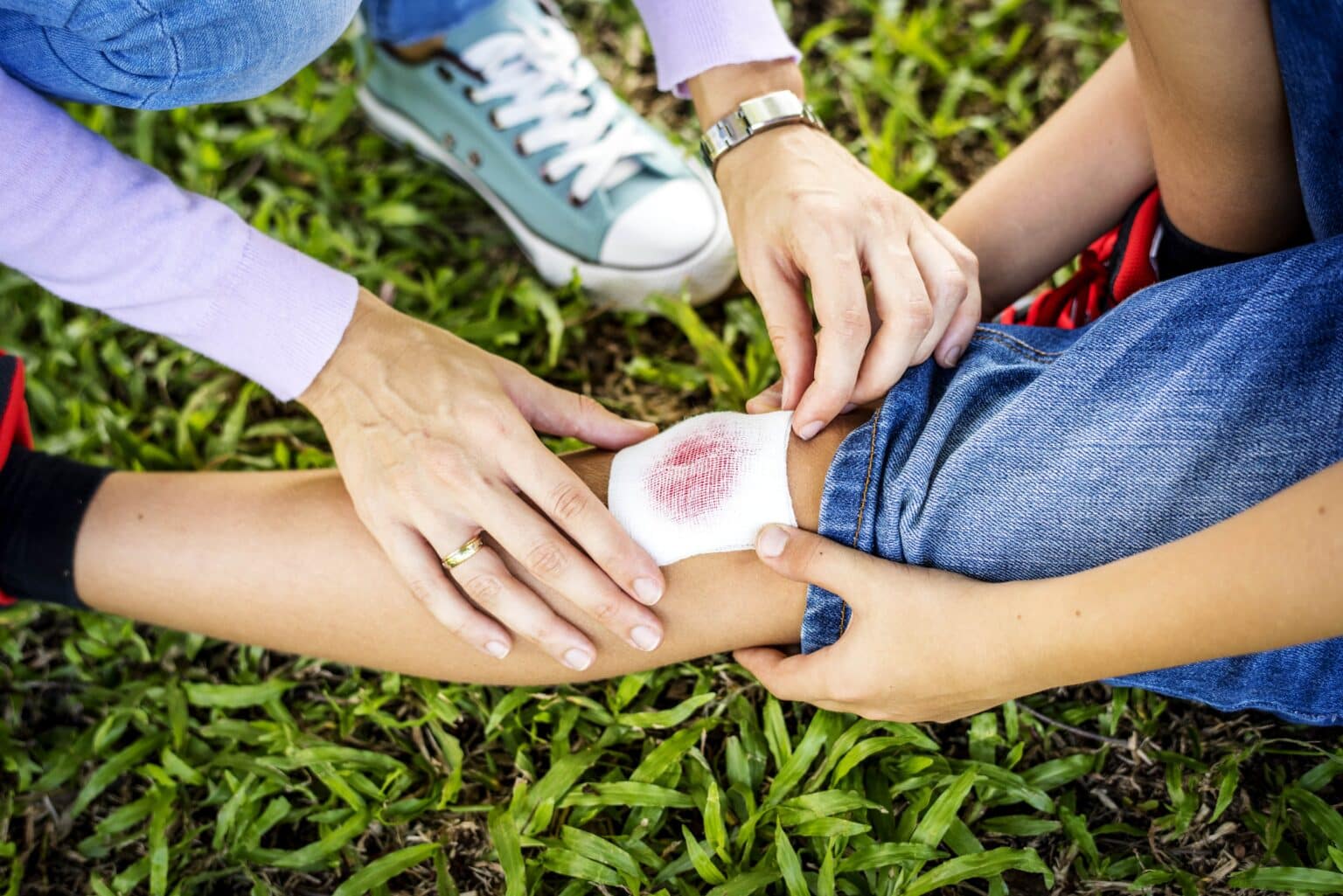
Clean the wound carefully with soap and water. Apply antibacterial ointment. Cover with a clean and sterile bandage.Building Teacher Self-confidence in Emergency Situation Situations
How Can Educating Enhance Confidence?
Regular training sessions increase familiarity with procedures:
- Conduct simulated drills imitating emergency situation situations. Discuss past incidents openly among personnel for collective learning.
Childproofing Methods in Childcare Settings
What Are Effective Childproofing Methods?
A well-childproofed setting lessens risks:
Use safety and security gateways at stairways. Secure hefty furniture to walls. Store harmful materials out of reach.Written vs Practical Elements of Emergency Treatment Training
What's More Reliable: Created Examinations or Hands-On Practice?
While both components are crucial, sensible Comprehensive First Aid Training in Sydney skills are important when seconds count during emergency situations such as choking incidents.
Balancing Written Tests with Hands-On Learning
Ensure that your program consists of both theoretical understanding evaluations and practical ability evaluations.
Renewal Timelines for Emergency treatment Certifications
When Should Accreditations Be Renewed?
Most accreditations need renewal every 3 years; however, check details guidelines based on your place-- especially relating to Australian criteria such as HLTAID012 certification Australia.
Childcare Centre Emergency treatment Package Essentials
What Needs to Be Included in Every Kit?
A detailed first aid kit tailored for a child care centre need to include:
|Product|Quantity|| -----------------------------------|----------|| Adhesive tapes|20|| Sterile gauze pads|10|| Antibacterial wipes|10|| Non reusable gloves|5|| Instantaneous ice bags|2|| Kid's medication (if permitted)|As needed|
Staying equipped makes certain readiness throughout emergencies!
First Aid for Childhood years High Temperature Australia
How Ought to Fever Be Handled in Children?
Monitoring high temperature involves keeping an eye on temperature level on a regular basis while offering liquids and comfy clothes as required. Get in touch with healthcare professionals if high temperature persists past two days or reaches concerning temperatures (over 38 ° C).
Childcare Safety Threats Australia
Identifying Common Hazards
Common threats include unprotected furnishings, sharp objects accessible, unsafe floors, and so on, which need to be actively handled via regular examinations and upkeep schedules.
Childcare Personnel First Aid Requirements Australia
What Are Lawful Obligations?
Each state has details demands pertaining to personnel qualifications associated with first aid training within childcare setups; acquaint yourself with neighborhood legislations to remain compliant!
First Aid Fundamentals for Moms And Dads Australia
Parents need to additionally be educated concerning standard first aid techniques such as CPR methods appropriate for youngsters or exactly how best to respond throughout typical mishaps in the house or college environments alike!
FAQs about Choking Avoidance Strategies
What is HLTAID012 certification?- HLTAID012 qualification involves training individuals to give first aid properly within instructional setups focusing on scenarios appropriate to children's health requirements including choking incidents.
- It's suggested that you restore every three years; nonetheless constantly confirm particular demands based on local regulations relating to child care service providers' obligations around Australia!
- Foods such as entire grapes, nuts & & seeds (specifically tough), snacks & & hot dogs bring substantial dangers due greatly since they're not quickly eaten right into smaller sized pieces by children who might inhale them accidentally instead!
- Complete an incident record recording all pertinent details: date/time/description/ actions taken/follow-up measures which helps identify trends/patterns over time!
- Trained team member have to always carry out first-aid treatments; guarantee compliance via routine training programs conducted by recognized companies specializing especially within early childhood years education settings!
- Effective childproofing gets rid of prospective hazards from environments where youngsters play daily reducing possibilities they'll come across harmful products qualified triggering harm/chokes while discovering environments freely!
Conclusion
Choking avoidance is extremely important within child care settings where young lives depend heavily upon trained experts geared up with knowledge/tools essential dealing with emergency situations swiftly/effectively! From recognizing typical dangers managing small injuries ensuring appropriate hand health every method adds total security while developing confidence amongst instructors responsible caring throughout day-to-day routines! Focusing on recurring education/training maintains skills fresh making it possible for positive responses whenever dealt with difficulties presented by uncertain nature childhood adventures! Bear in mind-- understanding truly saves lives!
First Aid Pro is one of Sydney’s leading providers of accredited CPR and first aid courses. Established in 2012, our nationally registered training organisation (RTO) has equipped over 2.6 million Australians with essential life-saving skills through our experienced team of over 110 expert trainers. Conveniently located in the heart of Sydney at Chambers Arcade Level 15, Suite 1501/370 Pitt Street, Sydney NSW 2000, we offer top-quality, nationally accredited CPR and first aid training sessions tailored to your needs—whether for workplace requirements, career advancement, or personal safety. From childcare-specific first aid to advanced first aid and resuscitation, we’ve got you covered! Secure your Sydney first aid course or CPR training with us and build the confidence to handle emergencies with a trusted Sydney first aid provider. Take the first step towards becoming a skilled and capable first aider with First Aid Pro today! Call today on 08 7120 2570.